Coming off the pill: what your cycle does in the first months
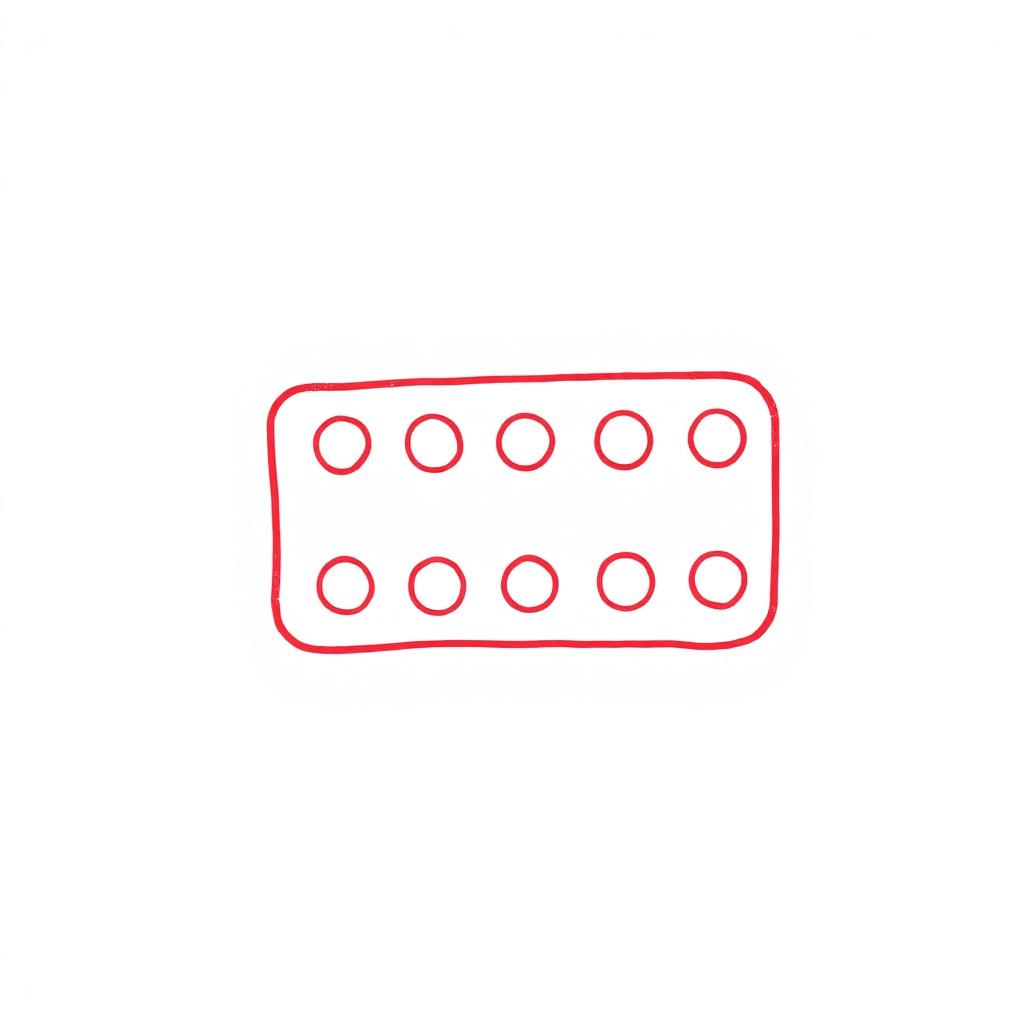
The combined pill suppresses ovulation. The "period" you get on the pill isn't a real period but a withdrawal bleed during the pill-free week. Once you stop, your natural cycle takes the lead again, and that adjustment can take a few months. Here's what's normal, what's common, and when to check in with a doctor.
How quickly does your own cycle come back?
For most people ovulation resumes within a few weeks to three months after stopping. A first "real" period often arrives 4 to 6 weeks after the last pill. It's also normal for the first cycle to be longer or shorter than you remember. If after 3 months you still haven't had any period (post-pill amenorrhea), see your doctor.
What people commonly notice
1. Irregular cycles
Your cycle has to find its rhythm again. The first 2 to 3 cycles can vary in length and flow. Usually not a reason to worry.
2. Real PMS instead of pill-PMS
On the pill, your hormone profile stayed flat. Off it, the natural swings return. So some people experience PMS for the first time, or the first time in years. Read: recognizing PMS.
3. Acne, especially along the jawline
Many combined pills lower androgen activity, keeping acne in check. When that suppression lifts, hormonal acne (along the jawline and chin) can flare for a while. It usually settles within a few months.
4. Libido shifts
Some people notice more sex drive after stopping, others less. Both can be true, there's no "normal" direction.
5. Mood and energy
For some, stopping feels like "coming home" emotionally; for others, it brings more swings. Both are normal. What isn't: persistent low mood or panic, talk to your doctor.
6. Fertility returns quickly
Research consistently shows fertility returns within a few months of stopping the combined pill, to the same level as people who never used the pill. So pregnancy is possible in the first cycle. Not trying? Arrange alternative contraception immediately.
When to see a doctor
- No period within 3 months of your last pill.
- Persistently very irregular cycles (more than a week variation between cycles) after 6 months.
- Very heavy periods (soaking products every hour, large clots, iron deficiency).
- Severe cyclical pain that limits daily life, ask about endometriosis.
- Acne + extra hair growth + irregular cycles after months, ask about PCOS.
- Low mood or panic that doesn't lift.
This isn't medical advice. If symptoms limit your life, book an appointment.
What helps in this transition
- Track your cycle from day 1 after your last pill. Date, length, flow, mood, skin, libido, energy. In 3 cycles you'll have a real picture.
- Sleep on a regular schedule. Your hormones recover faster with a stable rhythm.
- Avoid crash diets. Sharp weight loss can delay ovulation.
- Talk about it. The pill has been the default for years. Coming off it is also worth discussing.
No legacy apps suddenly logging your fertility status
Whether you stop to conceive, to scale back hormonal side effects, or just to feel your natural rhythm, that's your information. PERIOD. logs it encrypted on EU servers, with no ad trackers. More: privacy policy.
Want to understand your cycle better?