Basal body temperature: what it tells you about your cycle (and what it doesn't)
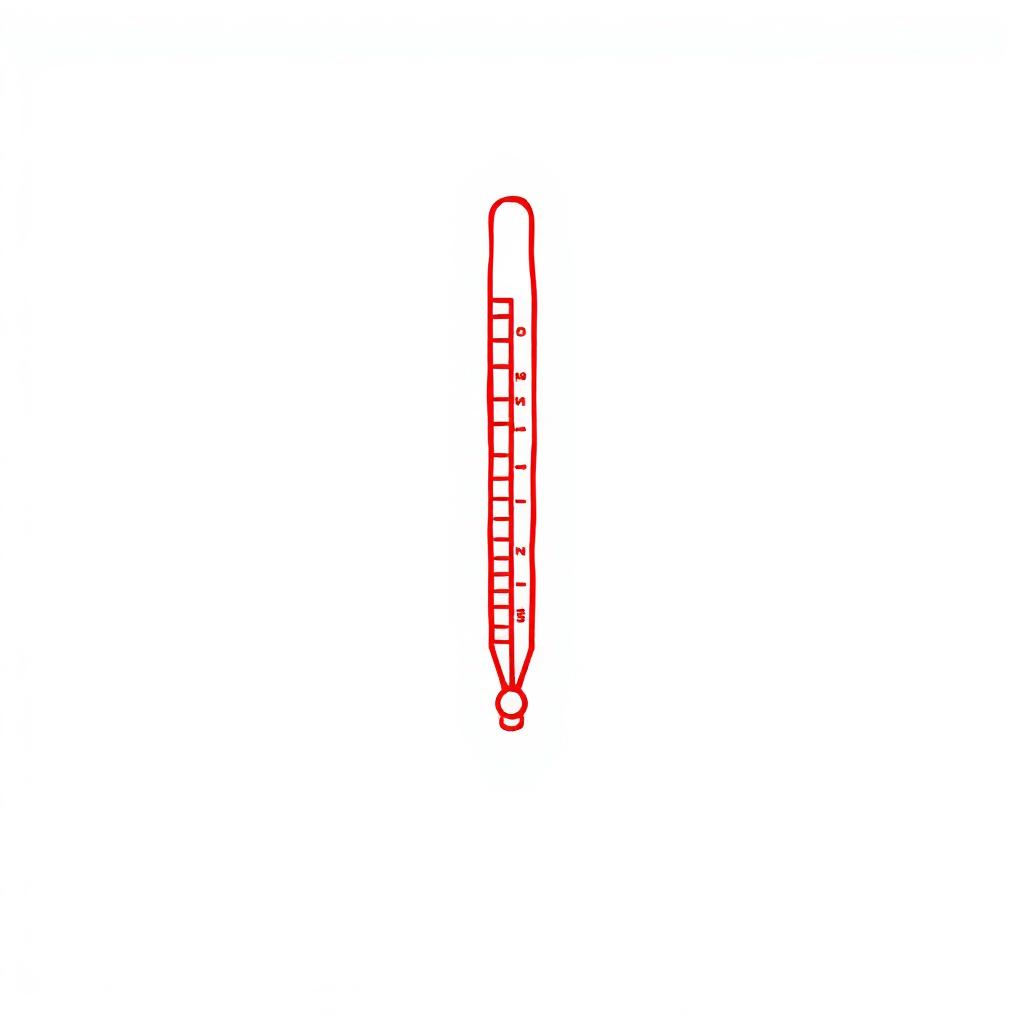
Basal body temperature (BBT) is your body temperature in complete rest, taken right after waking, before getting up, drinking or moving. During a natural cycle it follows a recognizable pattern: lower in the follicular phase, a rise after ovulation, and elevated throughout the luteal phase.
The pattern in one paragraph
Before ovulation, estrogen dominates. BBT typically sits between 36.2 and 36.5 °C. After ovulation, progesterone rises and BBT goes up by about 0.2 to 0.5 °C. That higher plateau holds until just before menstruation. If no pregnancy follows, progesterone drops and so does temperature.
What BBT reliably tells you
- Whether you actually ovulated. No sustained rise after an expected ovulation = likely no ovulation that cycle.
- The length of your luteal phase. Count from the clear temperature rise to your first day of bleeding. A short luteal phase (<10 days) may matter for fertility, discuss with your doctor.
- Whether your cycle is biphasic at all. A chart with a clear lower and higher plateau is strong evidence of an ovulatory cycle.
What BBT doesn't do
- Predict when you'll ovulate. The rise happens after ovulation. To predict, combine BBT with cervical mucus and/or LH tests.
- Work as standalone contraception. Methods that use BBT (FAM, symptothermal) require training and discipline and have considerably higher typical-use failure rates than long-acting methods.
- Work as expected on the pill or shortly after stopping. Hormonal contraception suppresses ovulation, so no biphasic pattern appears.
How to measure properly
- Use an actual basal thermometer (two decimal places). A fever thermometer is too coarse.
- Measure at roughly the same time every morning, immediately on waking, before getting up.
- Measure after at least 3-4 hours of uninterrupted sleep; less is unreliable.
- Pick one site (oral, vaginal or rectal) and stay consistent. Vaginal and rectal are usually more stable than oral.
- Note disruptors: illness, alcohol the previous night, short night, jet lag, room much warmer or colder than usual.
This isn't medical advice. Questions about fertility or contraception? See your doctor.
What a "clean" BBT chart looks like
A typical biphasic chart shows roughly two weeks of slightly lower temperatures, then a clear "shift" upward of at least 0.2 °C that stays higher for at least 3 consecutive days. Then the higher plateau holds for 10 to 14 days, until menstruation begins and values drop again.
What an unusual pattern might mean
- No clear rise: possibly an anovulatory cycle.
- Short rise (<10 days) followed by bleeding: possibly a short luteal phase.
- Temperature stays high longer than 16-18 days after the rise: possible pregnancy, consider testing.
- Very erratic pattern with no clear phases: check sleep, alcohol, illness and measurement errors first; if in doubt, see a doctor.
BBT and cycle tracking belong in private
Your daily temperature, mucus observations and mood form a remarkably detailed portrait of your health. That's exactly the kind of data that shouldn't leak via ad networks. PERIOD. logs it all encrypted on EU servers, with no ad trackers. Read: privacy policy and a cycle app that doesn't sell data.
Read also: recognizing ovulation symptoms and the four phases of your cycle.
Want to understand your cycle better?