Menstrual cup, tampon or period underwear: which suits you?
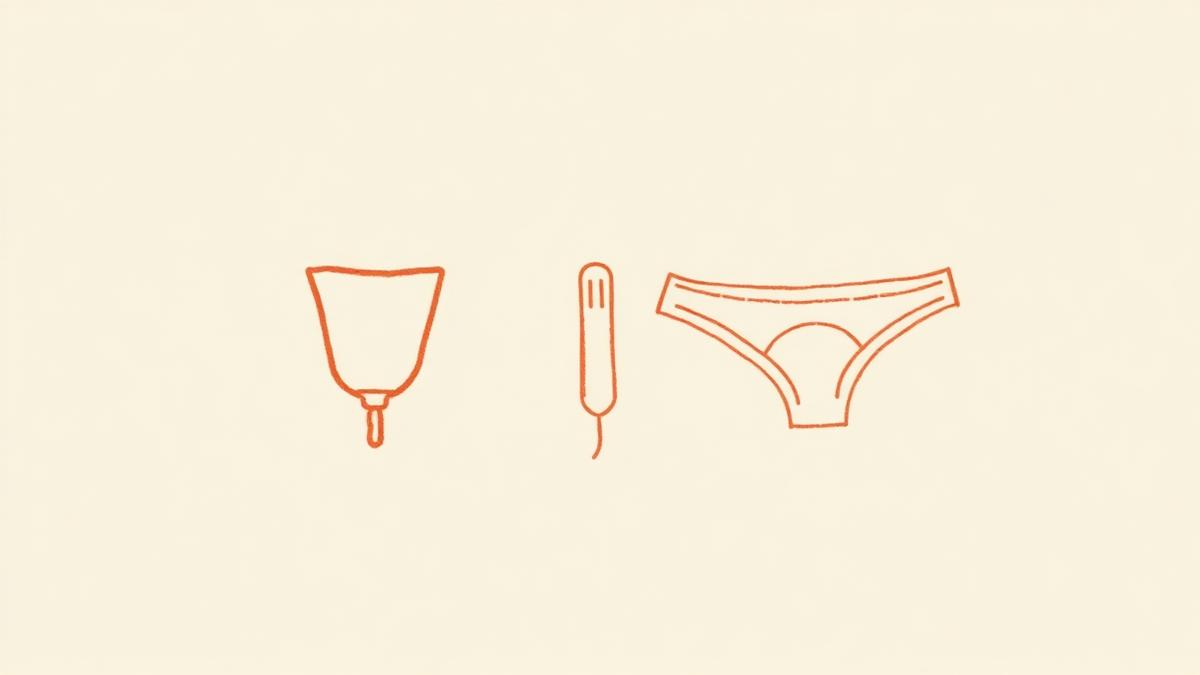
Short answer: there is no single "best" period product, only the best product for your flow, your body, your day and your budget. A cup holds the most and lasts years, tampons are easiest on the go, and period underwear is the most comfortable at night and on lighter days.
The comparison at a glance
Menstrual cup
- Capacity: roughly 20–30 ml, well above a regular tampon (about 5 ml).
- Wear time: up to 12 hours, depending on flow and brand.
- Cost: around €20–€35 once, lasting years with proper care.
- Watch out: boil between cycles, clean hands when inserting, and expect a learning curve with folding techniques. With an IUD, check with your doctor first.
Tampons
- Wear time: 8 hours maximum, and always use the lowest absorbency that works for your flow.
- Upside: discreet, great for sport and swimming, available everywhere.
- Watch out: Toxic Shock Syndrome is very rare but serious. Change on time, never sleep through, and seek urgent care if you get sudden high fever, rash, vomiting or dizziness while using a tampon.
Period underwear
- Capacity: varies hugely by model, from "instead of a liner" to "replaces two tampons".
- Upside: nothing inside your body, ideal at night, for spotting, at the end of your period, or as back-up alongside a cup.
- Watch out: rinse cold, wash without fabric softener (it clogs the fibres). There has been debate about PFAS in some brands in recent years; choose brands transparent about materials and testing.
Pads
- The most accessible option and safe for everyone, including right after giving birth (when cups and tampons are not advised).
- Change every 4–6 hours to avoid irritation and odour.
Which one, when?
Heavy flow: a cup or high-absorbency underwear, possibly combined. Changing hourly? Read heavy periods and iron deficiency.
Sport and swimming: tampon or cup.
At night: cup (up to 12 hours) or period underwear.
First period: start with pads or underwear; there's no rush to internal products.
Sensitive skin: look for fragrance-free, unbleached or cotton options.
Cost and environment
Disposables cost tens of euros a year and create significant waste. A cup or set of period underwear costs more upfront but usually works out cheaper and lower-waste over time. One important nuance: period poverty is real, not everyone can front €30 for a cup. We wrote about that in Code Rood.
FAQ
How long can a cup stay in?
Up to 12 hours. On a heavy flow you'll need to empty it more often simply because it fills.
Can you use the toilet with a cup in?
Yes. Bearing down may shift it slightly, so check the seal afterwards.
Is period underwear hygienic?
Yes, if you change it within about 12 hours and wash it properly.
Can you get TSS from a cup?
TSS is mostly described with tampon use, but rare cup-related cases have been reported. Respect wear times and use clean hands.
Want to understand your cycle better?