Tracking your cycle with a smartwatch or ring: how accurate is it?
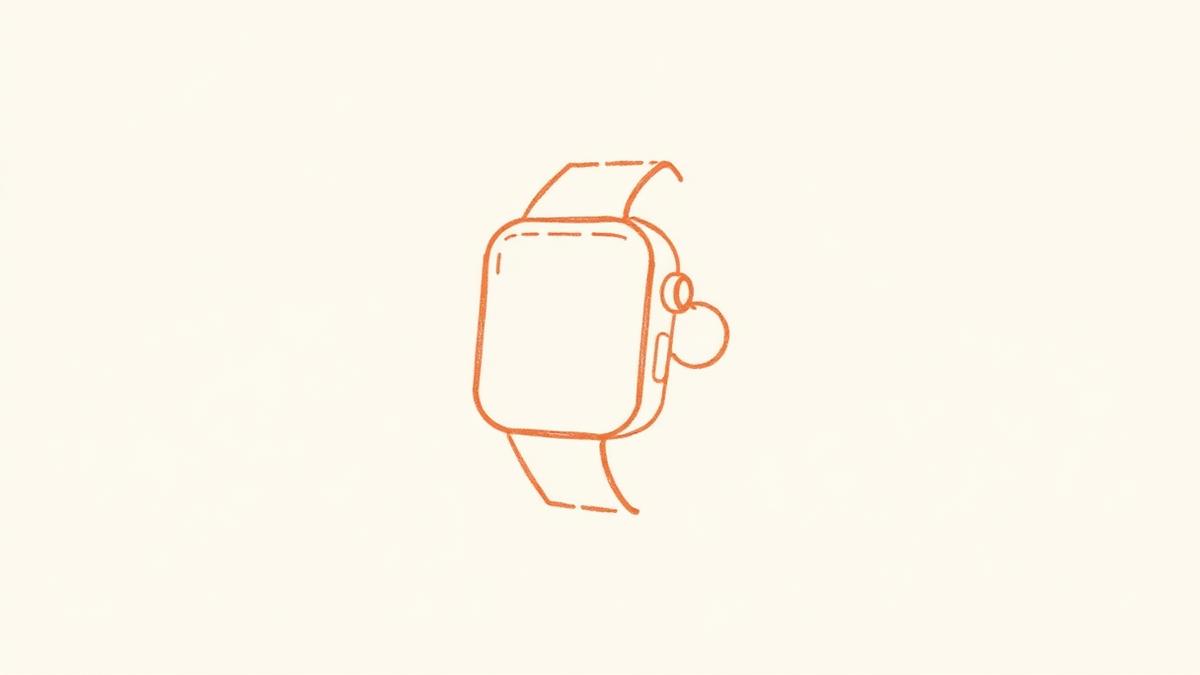
Short answer: wearables like the Apple Watch and Oura Ring measure wrist or finger temperature during sleep. That lets them estimate ovulation retrospectively, because temperature rises slightly after ovulation. They can't reliably predict ovulation in advance, and they are not contraception.
How wearables read your cycle
After ovulation, progesterone rises and lifts body temperature by roughly 0.2–0.5°C. Classic basal body temperature tracking captures that with a thermometer right after waking. A wearable instead samples skin temperature continuously through the night and averages it, often more stable than a single reading, but still a proxy for core temperature.
Apple Watch (Series 8 and Ultra onwards) uses wrist temperature for a retrospective ovulation estimate in the Cycle Tracking feature. Oura does something similar with finger temperature. Both are explicitly backward-looking.
What wearables do well
- Confirm that ovulation happened, useful when that's in doubt.
- Show luteal phase length across several cycles.
- Reveal patterns between sleep, resting heart rate, HRV and cycle phase.
- Measure consistently without you remembering every morning.
What they can't do
- Flag your fertile window in advance. The temperature rise comes after ovulation, while the fertile window sits before it. Sperm survive up to about five days, so for conception timing, calculating ovulation plus ovulation signs and LH tests are more precise.
- Act as contraception. An app or tracker only counts as contraception if it has been specifically authorised as such by a regulator; a standard smartwatch cycle feature has not.
- Filter out noise. Alcohol, fever, illness, a warm bedroom, shift work, jet lag and poor sleep all move your temperature.
How to get value from it
Wear it every night, weekends included. Read the trend across days rather than single readings. Combine temperature with what you notice yourself: cervical mucus, libido, ovulation pain, energy. And judge only after two to three cycles. More in measuring basal body temperature.
The question almost nobody asks: where does that data go?
A wearable builds an unusually intimate profile: sleep, heart rate, temperature, plus your cycle, sexual activity and possibly your intention to conceive. Before handing that combination to a service, check three things: where the data is stored, whether it's shared with third parties, and whether you can export and delete all of it.
PERIOD. stores cycle data encrypted on EU servers, sells nothing, uses no ad trackers, and only uses AI with your explicit consent. More in a cycle app that doesn't sell your data and our privacy policy.
FAQ
Can an Apple Watch predict ovulation?
No, it gives a retrospective estimate from wrist temperature during sleep.
Is wrist temperature as good as a basal thermometer?
It's a different measurement: a nightly average rather than a single morning reading. For confirming ovulation it usually works well.
Do I need a wearable to track my cycle?
No. Consistently logging periods and symptoms gives you most of the insight without extra hardware.
Want to understand your cycle better?