Two periods in one month: is that normal?
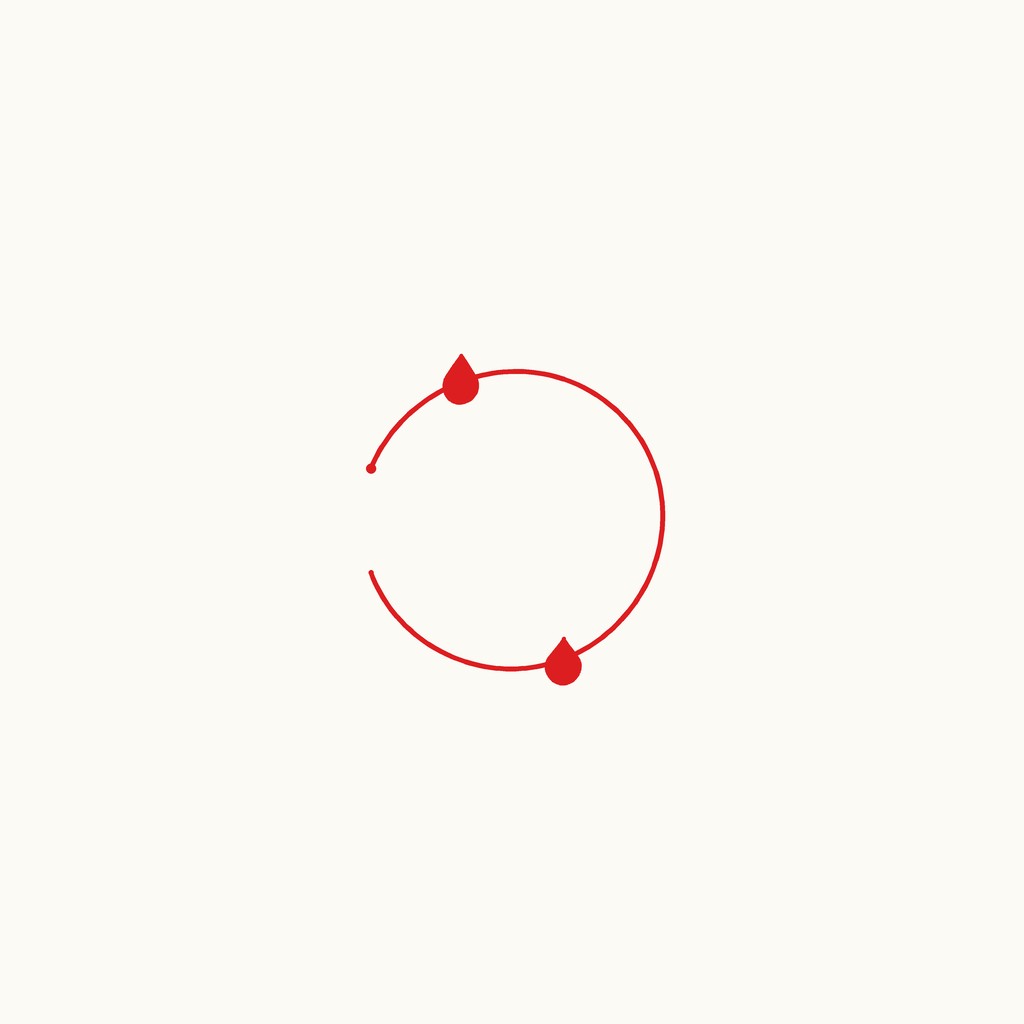
Short answer: often, yes. If your cycle is 21 to 24 days, two periods can simply fit into one calendar month: on the 1st and on the 23rd, for example. That is a normal cycle. It becomes something to look into when your cycle is always shorter than 21 days, when the bleeding actually comes in between, or when it is different from what you are used to.
First: is it really a period?
Not all bleeding is a period. It helps to separate two situations.
A short cycle
You bleed the way you are used to: a few days, heavier at the start, and then it stops. The next one just comes sooner than expected. Count from day 1 to day 1. If that is 21 days or more, it is a normal, short cycle.
Bleeding between periods
A little blood or brown discharge between two periods, often lighter and shorter, sometimes only on the toilet paper. This is also called spotting. It can be harmless, for example around ovulation, but it has other causes than a short cycle. Read spotting between periods and brown discharge.
Why your cycle can be shorter
- Age. In the first years after your first period and in the years before menopause, cycles often vary a lot. In perimenopause many women first get shorter cycles. See perimenopause.
- Stress, illness and poor sleep. These can move ovulation, and with it your whole cycle.
- Big changes in weight or exercise.
- A thyroid that is over or underactive.
- Just stopping or starting hormonal contraception. In the first months your body is finding a new rhythm.
Causes of bleeding in between
- Ovulation bleeding. A little blood around ovulation, from the hormone shift at that moment. Usually light and short.
- Contraception. Breakthrough bleeding is common in the first months of the pill, a hormonal IUD, the injection or the implant, and when you miss a pill.
- An early pregnancy. Implantation bleeding around the time your period is due. Read implantation bleeding or period.
- Polyps or fibroids in the womb or cervix.
- An infection, such as chlamydia, sometimes with bleeding after sex or lower belly pain.
- Endometriosis or adenomyosis. See recognising endometriosis.
When to see a doctor
Make an appointment if:
- your cycle is shorter than 21 days several times in a row;
- you regularly bleed between periods while not on new contraception;
- you bleed after sex;
- you suddenly bleed much heavier or longer than usual, or feel tired and dizzy. See heavy periods and iron deficiency;
- you have not had a period for a year (after menopause) and bleed again.
Get help straight away if you could be pregnant and bleed with severe pain on one side of your belly, pain in the tip of your shoulder, or if you feel faint. That can point to an ectopic pregnancy.
What helps when you look into it
A doctor almost always asks the same: when did it start, how long did it last, how heavy was it, and was it around ovulation or not? That is easy to answer if you track it for a few cycles. Note per day whether it is a period or spotting, how heavy, and whether you had pain. After two or three cycles you can often see yourself whether it is a short cycle or bleeding in between.
In PERIOD. you log this per day, and the calendar shows your cycle length straight away. Want to know when the next one comes? Read when will I get my period. Or see what a period tracker that never sells your data can do for you.
Sources: Thuisarts.nl (Dutch College of General Practitioners), Bleeding between periods; NHS, Bleeding between periods and Ectopic pregnancy; ACOG, Abnormal Uterine Bleeding. This article is general information and not medical advice. In doubt? See your doctor.
FAQ
Is it normal to have two periods in one month?
With a cycle of 21 to 24 days it can simply happen and it is normal. If your cycle is always shorter than 21 days, or you bleed in between, get it checked.
Can stress cause two periods in a month?
Stress can move ovulation and so make your cycle shorter or longer. If it keeps happening, have other causes ruled out.
How do I know if it is a period or spotting?
A period usually lasts a few days and often starts heavier. Spotting is usually light, short and sometimes brown. Tracking a few cycles makes the difference clear.
Can I be pregnant if I had two periods?
Bleeding does not fully rule out pregnancy, for example with implantation bleeding. If you had sex without contraception, take a pregnancy test.
Track your cycle and bleeding in an app that never sells your data. Download PERIOD. on the App Store or on Google Play.