PCOS explained: what it is, how to recognize it, and what tracking has to do with it

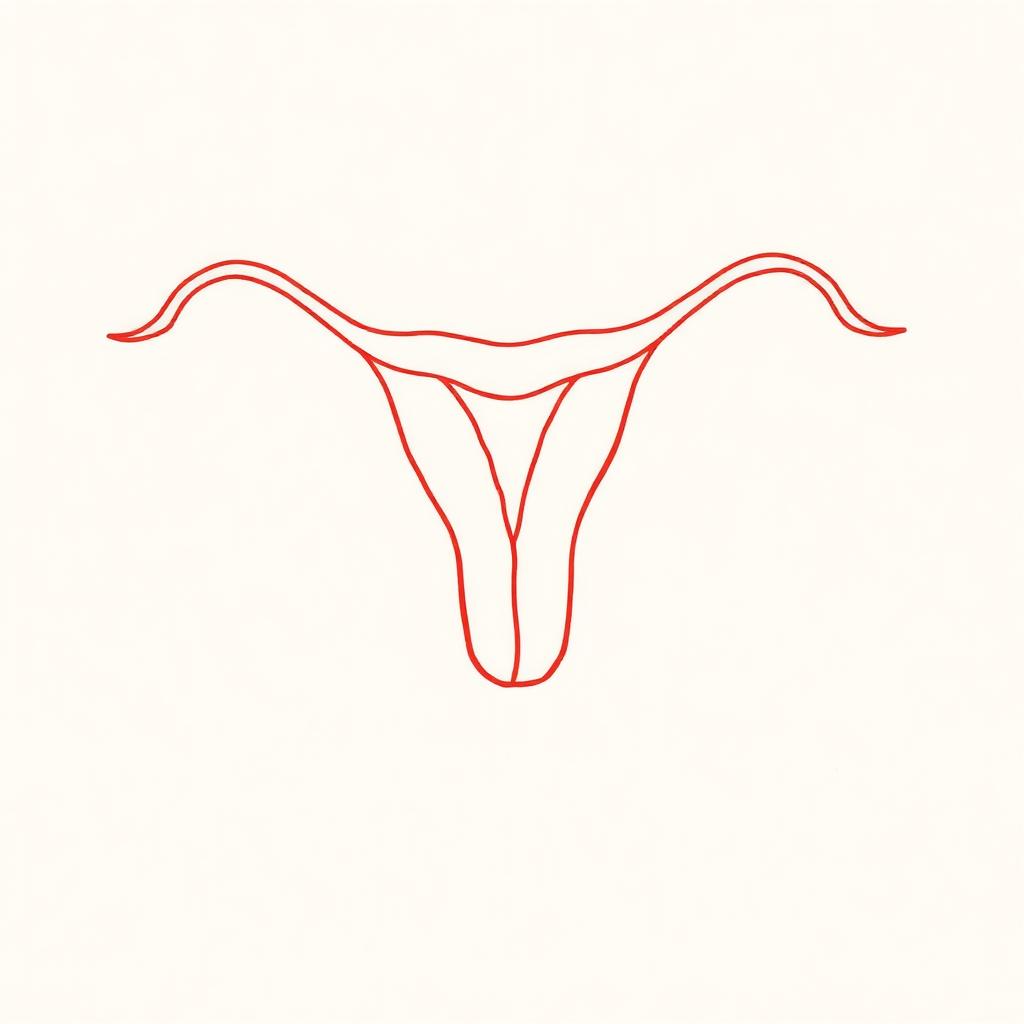
Polycystic Ovary Syndrome (PCOS) is a common hormonal condition affecting roughly 10% of women of reproductive age, characterized by an imbalance in reproductive hormones. It is primarily identified through irregular menstrual cycles, elevated levels of androgens, and the presence of multiple small follicles on the ovaries.
For many women, receiving a PCOS diagnosis feels like finally putting a name to a collection of seemingly unrelated symptoms. From persistent acne and thinning hair to cycles that last forty days or disappear entirely, PCOS is complex because it manifests differently in everyone. It is not a disease that can be "cured" with a single pill, but a syndrome that requires management through lifestyle adjustments, and in some cases, medical intervention. Understanding the diagnostic criteria and mapping your specific symptoms is the first step toward regaining control over your hormonal health.
The Diagnostic Criteria: The Rotterdam Criteria
There is a common misconception that you must have cysts on your ovaries to have PCOS. In reality, the "cysts" are actually small, underdeveloped follicles that failed to release an egg. To provide a standardized way of diagnosing the condition, doctors use the Rotterdam Criteria. A diagnosis is typically made if you meet at least two of the following three markers:
- Irregular or absent periods: This indicates that ovulation is not occurring regularly (anovulation).
- Clinical or biochemical signs of hyperandrogenism: This refers to high levels of "male" hormones like testosterone, which can be seen in blood tests or through physical symptoms like excess body hair (hirsutism) or severe acne.
- Polycystic ovaries: Visible via an ultrasound, where 12 or more follicles are present on one or both ovaries, or the ovarian volume is increased.
Because these criteria are broad, PCOS is often a diagnosis of exclusion. Your healthcare provider must first rule out other conditions, such as thyroid issues or adrenal gland disorders, that might mimic these symptoms. If you are preparing for a doctor's visit, having a detailed history of your cycle can significantly speed up this process. You can learn more about why tracking your cycle is essential for medical advocacy in our dedicated guide.
Recognizing the Symptoms Beyond the Surface
PCOS is more than just a reproductive issue; it is a metabolic and endocrine condition. While the name focuses on the ovaries, the symptoms are far-reaching because hormones affect almost every system in the body. Common indicators include:
- Menstrual irregularities: Very long cycles (longer than 35 days), infrequent periods, or a total lack of menstruation.
- Hirsutism: Excess hair growth on the face, chin, chest, or abdomen, affecting up to 70% of women with PCOS.
- Adult acne: Persistent breakouts, particularly along the jawline, that do not respond to standard over-the-counter treatments.
- Weight fluctuations: Many women with PCOS experience insulin resistance, making it difficult to lose weight and easier to gain it, particularly around the abdomen.
- Thinning hair: Female-pattern hair loss or thinning at the temples.
- Darkened skin patches: Known as acanthosis nigricans, these dark patches often occur in skin folds like the neck or groin, signaling insulin resistance.
Dit is geen medisch advies, twijfel je of klachten houden aan? Bel je huisarts.
The Role of Insulin Resistance
While the exact cause of PCOS remains unknown, genetics and insulin levels play a significant role. Insulin is the hormone produced in the pancreas that allows cells to use sugar for energy. Many women with PCOS have insulin resistance, meaning their bodies cannot use insulin effectively. This causes the pancreas to pump out even more insulin to compensate.
High levels of insulin act as a double-edged sword: they can cause the ovaries to produce more androgens (like testosterone) and can interfere with normal ovulation. This is why dietary changes and weight management are often the first line of defense recommended by specialists. By managing insulin levels, many women find that their cycles become more regular and their skin clears up. Privacy is paramount when tracking these lifestyle changes and their effects on your body; read our privacy-first approach to see how we handle your sensitive health data.
Fertility and PCOS
One of the most distressing aspects of a PCOS diagnosis is the concern over future fertility. Because PCOS causes irregular ovulation, it can be harder to time intercourse or predict "fertile windows." However, PCOS is one of the most treatable causes of infertility. Many women with the condition conceive naturally once they manage their symptoms, while others find success through medications that induce ovulation, such as letrozole or clomiphene.
It is important to remember that irregular periods do not mean no periods. Ovulation can still happen unexpectedly. If you are not trying to conceive, do not assume PCOS acts as a natural contraceptive; pregnancy is still possible even with a highly irregular cycle.
Managing PCOS: A Long-term Strategy
There is no "one-size-fits-all" treatment for PCOS. Management is usually tailored to an individual’s specific goals, whether that is clearing acne, regulating the cycle, or becoming pregnant. Common approaches include:
- Lifestyle adjustments: Focusing on low-glycemic index foods and regular physical activity to improve insulin sensitivity.
- Hormonal birth control: The pill or a hormonal IUD can help regulate periods, lower androgen levels, and protect the uterine lining from thickening excessively (which can happen when you don't menstruate regularly).
- Anti-androgen medications: Drugs that block the effect of androgens can help reduce hair loss and hirsutism.
- Metformin: Often prescribed for type 2 diabetes, this medication can help improve the body’s response to insulin in women with PCOS.
For more information on how different life stages affect these symptoms, you can read our article on hormonal health milestones.
Why Tracking is Your Best Diagnostic Tool
When you walk into a doctor’s office and say, "My periods are weird," it is difficult for a physician to make a clinical determination. When you walk in with six months of data showing that your cycles range from 28 to 52 days, and you’ve noted specific days where you experienced cystic acne or mid-cycle pain, you are providing the evidence needed for a diagnosis.
Tracking allows you to see the patterns that your brain might miss. You might notice that your breakouts always happen three weeks before a period that never seems to arrive on time. You might see the correlation between high-stress weeks and a complete "no-show" of your cycle. In a world where women's health concerns are often dismissed, data is your most powerful ally. At PERIOD. we believe you should own that data without it being sold or used against you.
If you want to understand the rhythm of your own body and prepare for a meaningful conversation with your doctor, start logging your cycle and symptoms today with PERIOD.
Want to understand your cycle better?