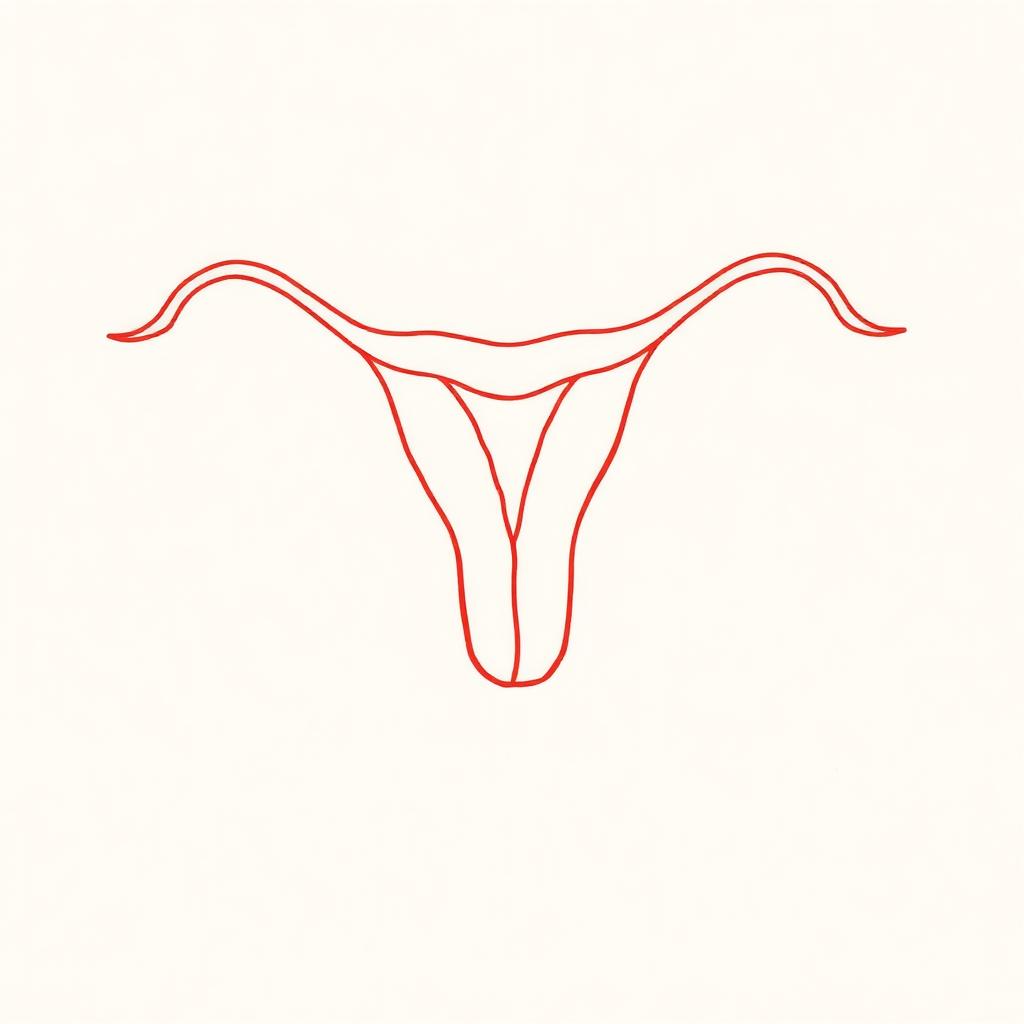
Irregular periods: 8 causes (and when it stops being 'just stress')
An irregular period is defined as a cycle that consistently falls outside the 21 to 35-day range or varies in length by more than 7 to 9 days from month to month. Tracking these fluctuations is the most effective way to distinguish between temporary lifestyle disruptions and underlying medical conditions.
Most women do not have a textbook 28-day cycle. Some variation is a normal byproduct of how the body responds to its environment. However, when your period becomes unpredictable, disappears for months at a time, or results in significantly heavier bleeding, it is a signal that your hormonal communication system is struggling. Understanding the root cause requires looking beyond the uterus at your brain, thyroid, and lifestyle habits.
1. Chronic and Acute Stress
Stress is the most common reason for a late or skipped period. When you are under pressure, your body produces cortisol. High levels of cortisol can suppress the hypothalamus, the part of the brain that controls the pituitary gland. This gland is responsible for stimulating the ovaries to release an egg (ovulation). If you do not ovulate, your period will be delayed or absent.
This is often an evolutionary survival mechanism: if the body senses an environment of high stress or danger, it prioritizes immediate survival over reproduction. Once the stressor is removed, the cycle usually returns to its normal rhythm within one or two months.
2. Polycystic Ovary Syndrome (PCOS)
PCOS is one of the leading causes of irregular periods in adult women. It is a hormonal imbalance where the ovaries produce an excess of androgens (male sex hormones). This imbalance prevents eggs from maturing and being released regularly. Instead of a single egg being released, multiple small follicles develop but do not ovulate, often appearing as "cysts" on an ultrasound.
Common signs of PCOS include:
- Cycles longer than 35 days.
- Fewer than nine periods a year.
- Excess hair growth (hirsutism) or adult acne.
- Thinning hair on the scalp.
3. Rapid Weight Changes and Nutrition
Your body requires a certain amount of body fat and energy intake to maintain a functioning reproductive system. Rapid weight loss, severe calorie restriction, or an excessively low body fat percentage can lead to amenorrhea (the absence of menstruation). Conversely, rapid weight gain can also affect hormone levels, specifically estrogen, which can lead to irregular or heavy bleeding.
Maintaining a stable weight is crucial for hormonal signaling. If you are interested in how lifestyle data can illuminate these patterns, you can read more about data and cycle health on our blog page.
4. Excessive Exercise
High-intensity athletic training can disrupt the hormonal balance required for a regular period. This is often seen in long-distance runners, ballet dancers, or professional athletes. The combination of high energy expenditure and low body fat can cause the body to "shut down" non-essential functions like menstruation. This isn't a sign of fitness; it is a sign that the body is under more physical stress than it can handle.
5. Thyroid Dysfunction
The thyroid gland regulates the body's metabolism and interacts closely with the reproductive system. Both an overactive thyroid (hyperthyroidism) and an underactive thyroid (hypothyroidism) can cause irregular periods. Thyroid issues can make periods very light, very heavy, or cause them to stop altogether for several months. Because thyroid symptoms can mimic stress, such as fatigue, weight changes, or anxiety, it is often overlooked as a cause of cycle disruption.
Dit is geen medisch advies, twijfel je of klachten houden aan? Bel je huisarts.
6. Perimenopause
For women in their late 30s or 40s, irregular periods are often the first sign of perimenopause. This is the transition period leading up to menopause. During this time, estrogen levels fluctuate wildly and progesterone levels drop. This can result in shorter cycles, skipped months, or unexpectedly heavy flow. Tracking these changes is vital for distinguishing perimenopause from other hormonal issues. Our commitment to your data during these life transitions is outlined in our privacy policy.
7. Hormonal Contraception
Starting, stopping, or switching birth control can cause temporary irregularity. The Pill, the IUD, and hormonal implants work by altering the body's natural hormone levels. It often takes the body three to six months to re-establish its own rhythm after stopping hormonal contraception. During this adjustment period, spotting between periods or "breakthrough bleeding" is common.
8. Pregnancy
While it may seem obvious, pregnancy is the first thing to rule out if a regular period suddenly stops. Even if you use protection, no method is 100% effective. Sometimes, "spotting" during early pregnancy can be mistaken for a very light or irregular period. If your period is more than a week late and you are sexually active, taking a test is the most direct way to get an answer.
When it stops being 'just stress'
While an occasional late period due to a hectic month at work is normal, some symptoms require a visit to the doctor. You should seek medical advice if:
- Your period was regular and has suddenly become irregular for more than three months.
- Your cycles are consistently shorter than 21 days or longer than 35 days.
- You experience heavy bleeding that requires changing a pad or tampon every hour.
- You have intense pelvic pain that is not relieved by over-the-counter medication.
- You stop menstruating entirely for more than 90 days (and are not pregnant).
Tracking your cycle is not just about knowing when to expect your period; it is about gathering data on your overall health. When you bring a detailed log of your cycle history to a doctor, you move the conversation from "I think something is wrong" to "I have observed these specific patterns over six months." Consistent tracking removes the guesswork and helps you advocate for your own health. You can learn more about our philosophy on the about us page.
Start documenting your cycle patterns today to gain a clear, data-driven overview of your hormonal health.
Want to understand your cycle better?